Europe
Italy
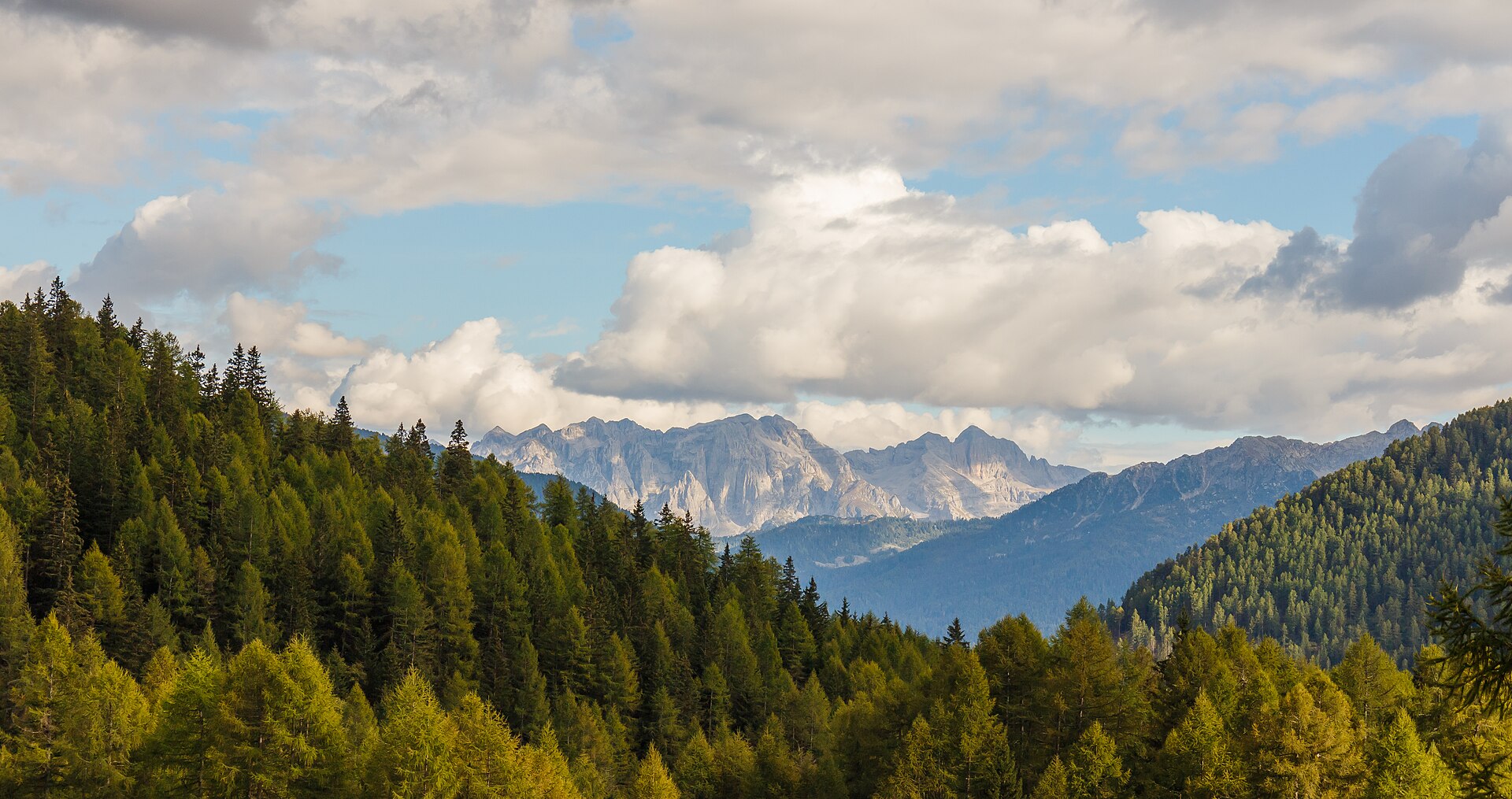
Italy packs an extraordinary range into a compact, boot-shaped peninsula: the Alps along the north, the Po Valley's farmland, the Apennine spine running the length of the country, and a coastline that opens onto lakes, cliffs, and islands including Sicily and Sardinia. What makes it so rewarding is that this variety isn't just scenic but cultural—regions differ sharply in dialect, architecture, and food, so Milan, Rome, and Palermo can feel like different countries entirely.
The historical density is hard to overstate. Rome's ancient core, Venice's lagoon, Pompeii, the Dolomites, Etna, the Amalfi Coast, Cinque Terre, Matera's cave dwellings, and Palermo's Arab-Norman churches are all UNESCO-listed, and that's a fraction of what's on offer. You can move from prehistoric ruins to Renaissance piazzas to Baroque facades within a single day's travel.
Food follows the same regional logic—there's no single Italian cuisine, just dozens of local traditions built on seasonal ingredients and family recipes, recently recognized by UNESCO as cultural heritage in its own right.
High-speed trains make the main cities easy to connect—Rome to Milan takes just over three hours—though smaller towns, mountain villages, and much of the south require more patience. Expect crowds in Rome, Venice, and Florence, especially in summer, since Italy draws enormous numbers of visitors each year.